
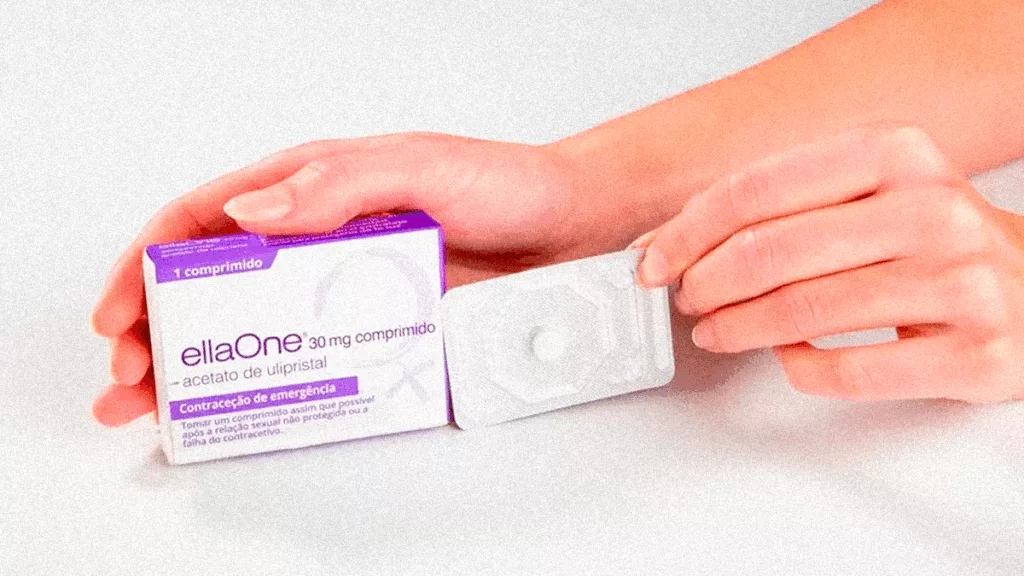
In recent years, obtaining emergency contraception in Warsaw and throughout Poland has become a significant topic, given the changes in legislation and drug availability. The morning-after pill works by delaying or preventing ovulation to prevent pregnancy. In this article, we will explore the methods of emergency contraception available in Poland, their safety, how to use them, and their accessibility.
What is Emergency Contraception?
Emergency contraception is a method to prevent an unwanted pregnancy after unprotected sexual intercourse (SI) or when a primary method of contraception fails (e.g., a missed pill or a broken condom). Emergency contraception prevents pregnancy but does not terminate it. These pills work by delaying or preventing ovulation and do not cause an abortion. The main methods of emergency contraception include:
- Pills with levonorgestrel — popular drugs for preventing pregnancy within 72 hours of unprotected SI. Their effectiveness is about 97.9% if taken in time.
- Pills with ulipristal acetate — taken within 120 hours (5 days) of unprotected SI. The effectiveness of this method is about 98.8%.
- Copper-containing intrauterine device (IUD) — the most effective method, which can be inserted within five days of unprotected SI. The effectiveness of this method reaches 99%.
Who Can Use Emergency Contraception?
Any woman or girl of reproductive age may need emergency contraception to avoid an unwanted pregnancy. There are no absolute medical contraindications for using emergency contraception, and there are no age restrictions. Emergency contraception pills can be used whenever the need arises. However, if a woman frequently resorts to emergency contraception or uses it as her primary method, it is important to consult a doctor. A specialist can help select more permanent and effective contraception methods better suited for long-term use.
Methods of Emergency Contraception
There are several methods of emergency contraception, each with its own characteristics. The most common are emergency contraceptive pills (ECPs) and combined oral contraceptive pills (COCs). Emergency contraceptive pills, such as those containing levonorgestrel or ulipristal acetate, are taken within a specific time frame after unprotected intercourse. Copper-containing intrauterine devices (IUDs) are also an effective method that can be inserted within five days of unprotected sex. The choice of method depends on individual preferences and medical advice.
Availability of Emergency Contraception in Poland
In Poland, emergency contraception is available in pharmacies, but its purchase may require a doctor's prescription. This is especially true for drugs containing ulipristal acetate. The availability of levonorgestrel-based drugs may be higher, but a doctor's consultation might still be necessary.
Recently, the issue of over-the-counter availability of emergency contraception has been debated, which would significantly ease access for women in urgent situations. Given the legal restrictions and cultural context, many women prefer to consult a doctor in advance and have the medication on hand for unforeseen circumstances.
Effectiveness and Limitations
The effectiveness of emergency contraceptive pills largely depends on how soon they are taken after unprotected intercourse. If the pills are taken within 72 hours, their effectiveness exceeds 95%. However, if taken between 72 and 120 hours, the effectiveness drops to 89%. Copper-containing intrauterine devices are the most effective method of emergency contraception but require insertion within five days of unprotected sex. Ulipristal acetate is also effective, but its efficacy might be lower compared to other methods.
Safety and Side Effects
Emergency contraception is safe for most women and can be used at any point during their reproductive years. It does not affect future fertility and poses no health risks when used correctly. However, possible side effects should be considered, such as:
- Menstrual cycle disturbances (your period may start earlier or later).
- Nausea and vomiting, especially in the first hours after taking the pill. If vomiting occurs within two hours of taking the dose, it must be repeated.
- Headache, dizziness, and breast tenderness.
- When using an intrauterine device, there might be lower abdominal pain, uterine trauma, and changes in the nature of menstrual periods.
WHO Recommendations for Emergency Contraception
The WHO recommends using emergency contraceptive pills containing levonorgestrel or ulipristal acetate as an emergency contraceptive. Copper-containing intrauterine devices are also recommended for insertion within five days of unprotected sex. It is important for women using emergency contraceptive pills to receive counseling on ongoing contraception methods. This helps avoid frequent use of emergency pills and ensures more reliable protection against unwanted pregnancy.
Gedeon Richter and Emergency Contraception
One of the leading pharmaceutical companies producing emergency contraception drugs is Gedeon Richter. The company offers pills with levonorgestrel, which have become widely used due to their effectiveness and safety. They are successfully used in Poland and many other European countries.
When to See a Doctor
If you have questions about choosing an emergency contraception method, have doubts about contraindications, or experience serious side effects after taking the pill, you should consult a doctor. A doctor can also help you choose the optimal method of ongoing contraception to avoid frequent use of emergency contraception.
Transitioning to Regular Contraception
After using emergency contraceptive pills, a woman can return to her regular contraceptive method or start a new one. If a copper-containing intrauterine device was used for emergency contraception, no additional contraceptive protection is needed. After taking emergency contraceptive pills containing levonorgestrel or combined oral contraceptive pills, you can resume your regular method of contraception or start a new one, including a copper-containing intrauterine device.
Conclusion
Emergency contraception is an effective way to prevent unwanted pregnancy in urgent cases. It is available in Poland, but depending on the drug, a prescription may be required. When used correctly, emergency contraception is safe and does not pose a threat to a woman's health. However, it is better to use ongoing contraception methods for long-term control of your reproductive health.
About the Author

Dr. Anastasiia Serhiienko — a Ukrainian gynecologist practicing in Warsaw. She adheres to the principles of evidence-based medicine and focuses on patient comfort and care. Anastasiia has international experience and has trained at Harvard Medical School. She also runs a blog about women's health for over 34,000 followers (Instagram & Facebook) and provides consultations in Ukrainian, English, Polish, and Russian.
If you need a prescription for emergency contraception or want to discuss your options, our gynecologists in Warsaw are here to help. Book an appointment online.