
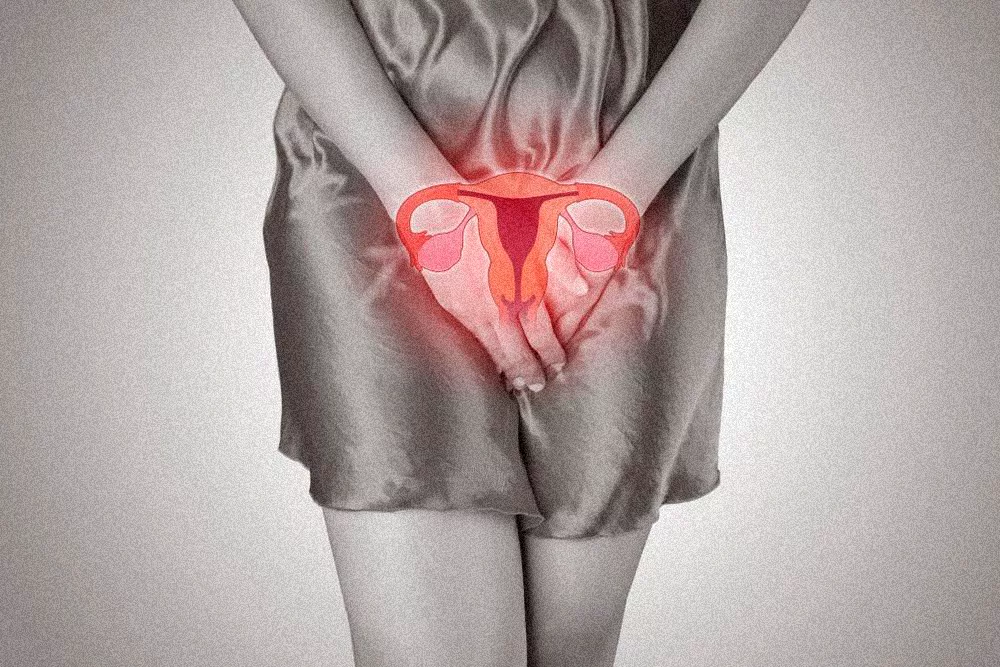
Cervical erosion is one of the most common gynecological conditions among women of reproductive age. Understanding the diagnosis and treatment of cervical erosion in Warsaw, Poland, is crucial, as there can be confusion about the condition. It's important to identify and diagnose erosion during gynecological exams using various diagnostic tools, such as colposcopy, and to develop personalized treatment plans based on the type of erosion and the patient's history. While the approach in Poland is largely aligned with global standards, there are some specific considerations.
What is Cervical Erosion?
To understand what cervical erosion is, it's helpful to first understand the anatomy of the cervix. The cervix is the lower part of the uterus that connects it to the vagina. Its lining consists of two types of epithelium: stratified squamous epithelium (exocervix) and columnar epithelium (endocervix), which lines the cervical canal. The junction between them is called the transformation zone.
Cervical erosion is a common condition that can be asymptomatic for many years. Timely diagnosis and treatment are important to prevent potential complications associated with this gynecological issue.
True cervical erosion is rare and represents an area of the mucous membrane that has lost its epithelial layer due to trauma or inflammation. More commonly, what is diagnosed is pseudo-erosion or ectropion—a condition where the columnar epithelium extends onto the vaginal part of the cervix, replacing the stratified squamous epithelium.
Causes of Cervical Erosion
Pseudo-erosion, or ectropion, is considered a normal physiological state in many cases and does not require treatment. However, understanding the causes of cervical erosion is necessary for better diagnosis and management. The main causes include:
- Hormonal changes: Fluctuations in hormone levels, especially in young women and during pregnancy, can contribute to the development of ectropion.
- Genitourinary infections: Infections such as Human Papillomavirus (HPV) and chlamydia can cause inflammation and damage to the cervical lining.
- Cervical trauma: Injuries resulting from medical procedures, childbirth, or vigorous sexual activity can contribute to the development of true erosion.
- Inflammatory processes: Chronic inflammation of the urogenital tract can lead to changes in the epithelium and the development of erosions.
Diagnosing Cervical Erosion in Warsaw
The diagnosis of cervical erosion begins with a gynecological examination and a Pap smear for cytological analysis. In Poland, a Pap test is recommended for all women over 25 every 3 years, or annually if risk factors are present. The doctor may order additional tests, such as a colposcopy or biopsy, if there are suspicions of dysplasia or cervical cancer.
Symptoms and Signs of Cervical Erosion
Cervical erosion is most often asymptomatic and discovered incidentally during a routine gynecological check-up. However, in some cases, the following may occur:
- Spotting or bleeding after sexual intercourse.
- Discomfort or pain during sexual activity.
- Inflammation and vaginal discharge, indicating an infectious process.
Potential Complications of Cervical Erosion
If left untreated, cervical erosion can lead to several complications. One of the most serious is the potential for underlying issues like cervical cancer to go undetected. The inflammatory process associated with erosion can spread to other reproductive organs, causing conditions like endometritis, salpingitis, and oophoritis. Additionally, erosion can sometimes be associated with menstrual irregularities, infertility, and miscarriage. Therefore, regular gynecological check-ups and following your doctor's recommendations are crucial for preventing serious consequences.
Treatment for Cervical Erosion
Treatment for cervical erosion depends on its cause and nature. In the case of asymptomatic pseudo-erosion (ectropion), treatment is generally not required. Exceptions are made when the ectropion is accompanied by inflammatory processes or bleeding.
In Poland, the following methods are used to treat cervical erosion when necessary:
- Medication: Use of anti-inflammatory drugs and agents to restore the mucous membrane.
- Coagulation (cauterization): One of the most common treatment methods. Diathermocoagulation, cryodestruction (freezing), or laser ablation is used to remove the altered epithelium.
- Radiofrequency therapy: A modern and minimally invasive treatment method that avoids trauma to surrounding tissues.
- Surgical intervention: In rare cases of significant damage to the mucous membrane or suspicion of a malignant process, surgical treatment may be required.
Treatment Approaches at Our Clinic
At Aurora Medical, treatment for cervical erosion is managed by an experienced gynecologist. Depending on the type and severity of the erosion, the doctor may recommend various treatment methods. These can range from medication, such as anti-inflammatory drugs, to minimally invasive procedures like laser or radiofrequency coagulation. Our clinic utilizes modern, gentle methods to effectively address the condition and prevent its recurrence.
Preventing Cervical Erosion
To prevent cervical erosion, it is important to practice good genital hygiene, avoid casual sexual encounters, and promptly treat genitourinary infections. Regular gynecological check-ups and Pap tests help detect the condition at an early stage and prevent its progression.
Cervical Erosion and Pregnancy
Cervical erosion does not negatively affect a woman's ability to conceive, carry a pregnancy to term, or give birth. Treatment for erosion is usually not performed during pregnancy unless there is a threat to the health of the mother or fetus. After childbirth, treatment may be carried out if symptoms are present.
About the Author:

Dr. Anastasiia Sergiienko — Ukrainian Gynecologist, practicing in Warsaw. She adheres to the principles of evidence-based medicine and emphasizes patient comfort and care. Anastasiia has international experience, including training at Harvard Medical School. She also runs a blog on women's health for over 34,000 followers (Instagram & Facebook) and provides consultations in Ukrainian, English, Polish, and Russian.
If you have concerns about cervical erosion or need a routine gynecological check-up, don't hesitate to schedule a consultation with our specialists at Aurora Medical. Book an appointment online.